
 STŘEDA 8. 4., 17 h | Karol Piegza, rodák z Lazů u Karviné, byl horník, učitel, zaolšský folklorista a sociální aktivista. Ve své sběratelské činnosti shromáždil více než 300 textů lidových písní reflektujících náročný život horníků. V rámci programu budou představeny hornické prapory a stuhy včetně jejich ikonografie. Součástí setkání bude také recitace vybraných ukázek písňových textů a básní tematizujících těžký úděl horníků na Karvinsku. Setkání probíhá v polském jazyce a připravil ho Stanisław Gawlik.
Kukang Coffee, The bitter truth about coffee, Fairtrade
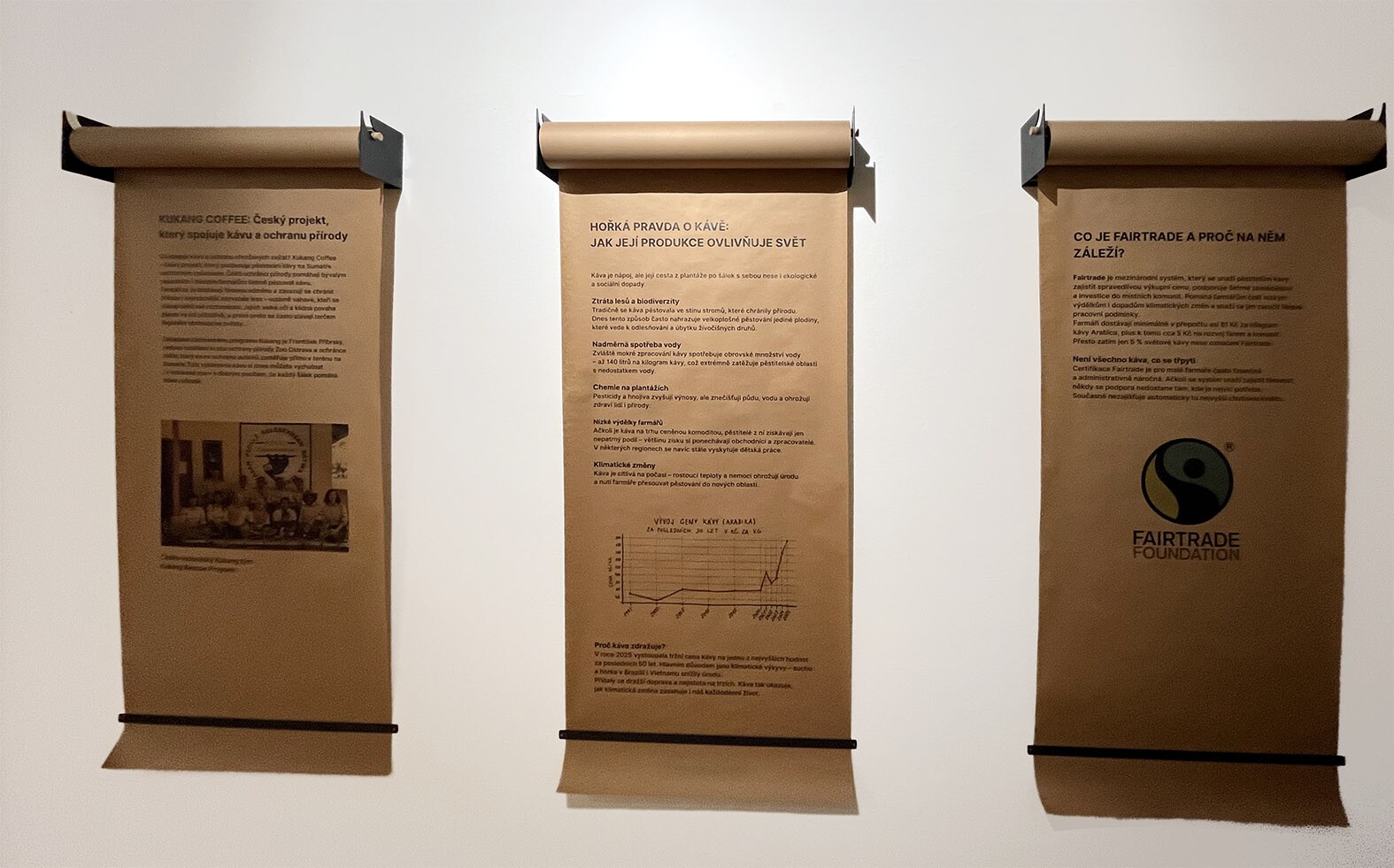
Kukang Coffee: A home-grown Czech project combining coffee and nature conservation
What links coffee with protecting endangered animal species? Kukang Coffee – a Czech project that supports sustainable coffee-growing in Sumatra. Czech conservationists are helping former smugglers and local farmers to cultivate coffee in a sustainable way.
In return, the growers receive a fair income, and they commit to help conserve nature, including the rarest inhabitant of the Sumatran forests – the Sunda slow loris, which has become a victim of its own cute appearance. These primates’ large eyes and calm nature are attractive to people, which is why they are often targeted by the illegal trade in animals.
The Kukang conservation programme was founded by František Příbrský, an international conservation project coordinator for Ostrava’s zoo and a professional conservationist who works on the ground in Sumatra to save the Sunda slow loris from extinction.
Now we can enjoy this select coffee at Ostrava’s zoo – its taste made even more delicious by the knowledge that each cup is helping both people and nature.
The bitter truth about coffee: How coffee production impacts our world
Coffee is a beverage, but its journey from the plantation to our cup has major ecological and social impacts.
Deforestation and loss of biodiversity
Coffee was traditionally grown in the shade of trees, which helped to conserve natural diversity. Today, this method is often replaced by the large-scale cultivation of a single crop, leading to deforestation and loss of animal species.
Excessive water consumption
Particularly the wet method of coffee processing consumes huge volumes of water – up to 140 litres per kilogram of coffee – and this puts extreme strain on growing regions where water is scarce.
Chemicals in plantations
Pesticides and fertilizers increase yields, but they also pollute soil and water, threatening human health and ecosystems.
Low incomes for farmers
Although coffee is a valuable commodity, growers often receive just a fraction of the price that we pay for a cup of coffee in a café. Child labour is still used in some regions.
Climate change
Coffee is climate-sensitive – rising temperatures and diseases threaten crops and force farmers to move cultivation to new regions.
Why are coffee prices rising?
In 2025, the market price of coffee rose to one of the highest levels in the past 50 years. The main reason for this is climatic fluctuation – droughts and heatwaves in Brazil and Vietnam have reduced yields. This situation has been further complicated by rising transport costs and market uncertainty. Coffee demonstrates how climate change can have a direct impact on our everyday lives.
What is Fairtrade and why is it important?
Fairtrade is an international system that seeks to ensure a fair farm-gate price for growers, promoting sustainable agriculture and investment in local communities. It helps farmers cope with low incomes and the impacts of climate change, and it strives to guarantee fair working conditions.
Farmers receive at least the equivalent of 81 CZK per kilogram of arabica coffee, plus around 5 CZK to support the development of their farms and communities. However, only 5 percent of the world’s coffee carries the Fairtrade label.
But Fairtrade isn’t a cure-all…
Fairtrade certification is often very challenging for small-scale farmers, both financially and administratively. Although the system strives to ensure fair treatment, sometimes support does not reach where it is most needed. And Fairtrade does not automatically mean that the coffee will have the highest quality.
Akce: Otevřít verzi pro tisk