
 PÁTEK 2. 10., 15.30 h | O kavárnách i osobnostech, které v nich tvořily a diskutovaly, s kurátory výstavy, historiky Evou Ševčíkovou a Jiřím Sochorkem. Výstava Ostravská kavárna představuje historii kaváren od přelomu 19. a 20. století až po současnost. Přibližuje je jako místa setkávání, architektonické fenomény i centra kulturního a společenského života. Návštěvníci a návštěvnice se dozvědí více o podobě legendárních podniků, jejich proměnách i osobnostech, které byly s kavárenským prostředím spojené. Kapacita prohlídky je 25 osob. Rezervace zdarma od 13. 9. 2026 na GoOut.
 SOBOTA 3. 10., 10 h a 13 h | Fotoarchivem historických snímků Ostravského muzea s historikem Jiřím Sochorkem. Sbírka čítá tisíce snímků, na kterých lze sledovat proměny města, jeho ulic, známých staveb i podob bydlení v různých dobách. Autentické fotografie přibližují, jak se Ostrava postupně utvářela a měnila – od jednotlivých budov až po atmosféru jejích čtvrtí. Prohlídky se konají v 10:00 a ve 13:00. Kapacita každé prohlídky 6 osob. Rezervace zdarma od 13. 9. 2026 na GoOut.
 ÚTERÝ 6. 10., 17 h | O proměnách lokální architektury a způsobu bydlení od 13. do 16. století s archeologem Zbyňkem Moravcem. Jak vypadaly domy, ve kterých žili obyvatelé středověké Ostravy? Co o jejich podobě, uspořádání a každodenním provozu prozradily archeologické výzkumy posledních desetiletí? Kapacita přednášky je 30 osob. Rezervace zdarma od 13. 9. 2026 na GoOut.
 ÚTERÝ 6. 10., 16 h | Výběr ikonických předmětů 50. – 90. let ze sbírek Ostravského muzea s kurátorkou uměleckohistorických sbírek Monikou Piegerovou. Co dělalo domov domovem v druhé polovině 20. století? Výklad přiblíží materiály, technologie a tvary, které formovaly estetiku československých domácností, i nadčasový design, vybavení a technické vymoženosti tvořící pomyslné hvězdy tehdejších interiérů. Kapacita programu je 15 osob. Rezervace zdarma od 13. 9. 2026 na GoOut.
Coalmining in the Ostrava region
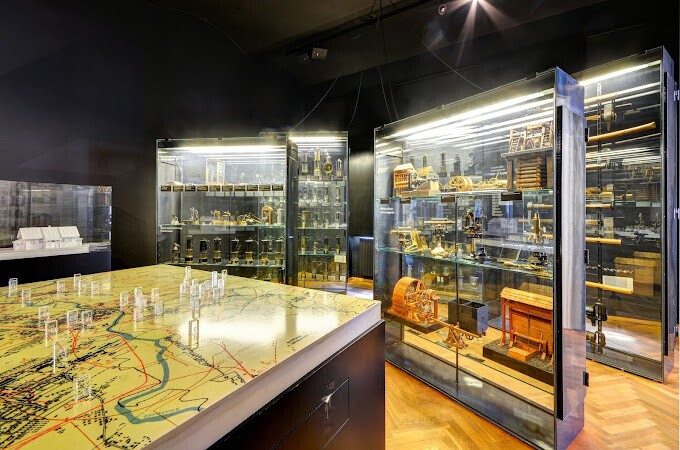
Coal mining in two centuries completely changed not only the face but also the importance of the small provincial town. The rapid and unique development of a small town into a wealthy, cultural and self-confident big city in the early 20th century was caused by several stimuli. But all of them were related to coal mining. The acute raw material crisis of the Austrian monarchy in the 18th century and the accidental discovery of coal in Silesian Ostrava in 1763 initiated an increase of new inhabitants and influenced the fate of thousands of immigrants.
Not only poor and illiterate people came to work to Ostrava, the best graduates of mining universities, prominent mining engineers from the Austrian monarchy and German countries also came to the newly built town and mines. Visionaries and businessmen with their novel ideas and donors with their capital also found a "promised land" in Ostrava. These people managed to bring to Ostrava not only the most modern railway in Europe at the time and the first blast furnace in the Austrian monarchy, but also brought know-how, knowledge and modern technologies that found their application in the difficult natural conditions here. These technologies helped to find solution for mining black coal from depths of around 1 300 metres below the surface.
The model of the city from 1928 with headframes, workers' colonies, mining branch lines and a system of funicular railways illustrates mining as the industry that was dominant and decisive for Ostrava for almost two centuries.
The mining exhibition of the Ostrava museum tries to present at least a part of rich legacy of Ostrava mining through various artefacts. The work tools presented here illustrate the hard work of miners, whether by size or weight of the tool. To a large extent, the mining lighting fund is presented, which is unique in terms of number and variety in the Czech Republic and Central Europe.
Last but not least, the exhibition presents important personalities, patrons and mining engineers of the time who contributed to the development of mining in the Ostrava region and often devoted their entire lives to it.
The social aspect of mining Ostrava is depicted in the models of houses from the worker’s colonies, which document the difficult living conditions of miners, when large working families often lived on a few square metres with lodgers.
Akce: Otevřít verzi pro tisk